Visit Lalibela

A practical guide from someone who's been — honest, detailed, and full of love for this place.

Lalibela is one of those places that changes you. Whether you go tomorrow or plan for when travel advisories shift, here's everything you need to know — from someone who went, connected, and came back with a mission.

Practical Tips

✈️

Getting There

Ethiopian Airlines flies direct to Lalibela from Addis Ababa. Visa on arrival at Addis airport — $60, easy process for EU citizens. Skip Addis if you can; it's a big modern city but the real experience is in Lalibela. Head straight there.

Pro tip: Get a local eSIM at the airport. Don't use Airalo — it costs 20x more. Mobile internet works well in both Addis and Lalibela.

The Churches

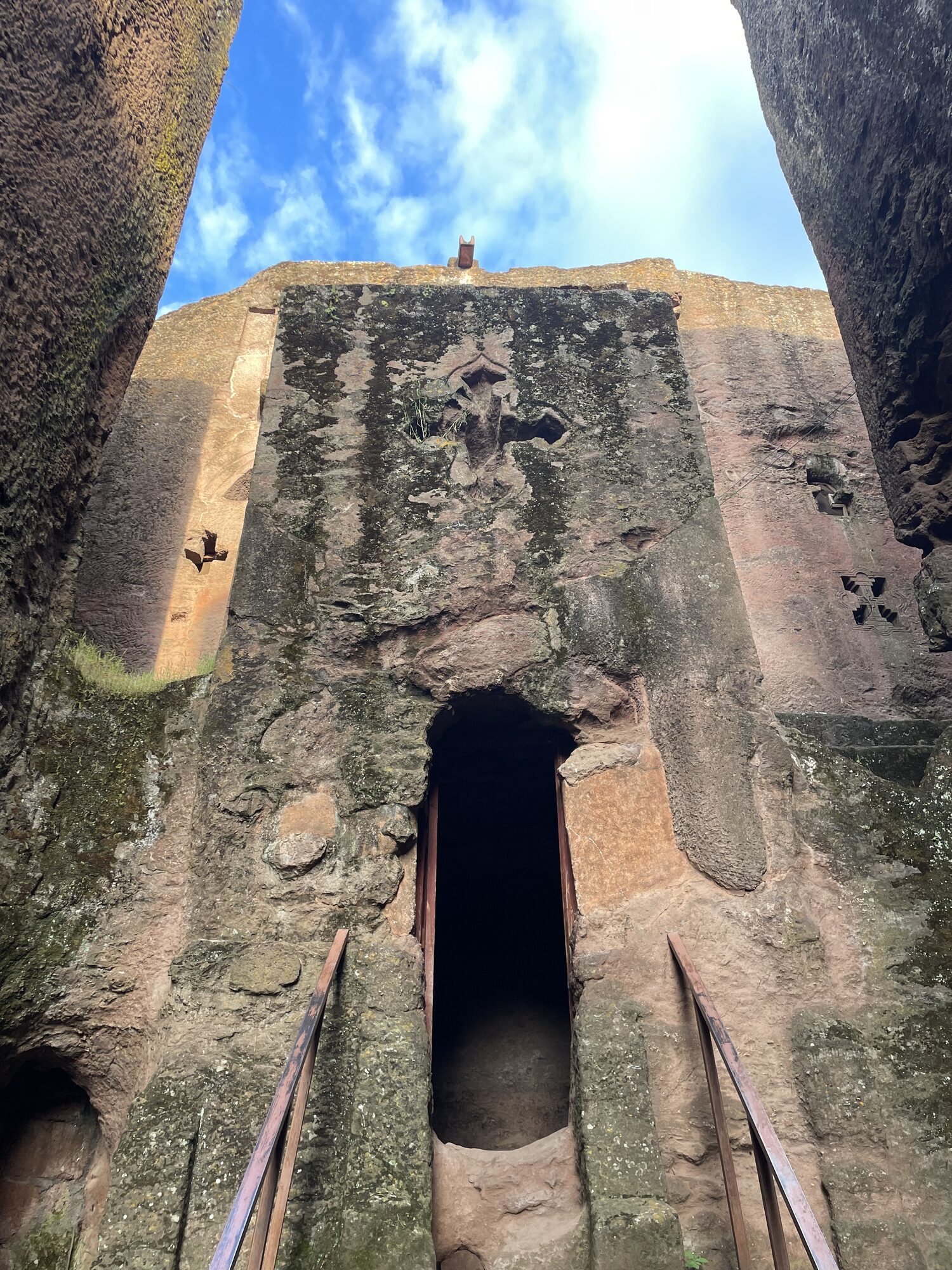
The $100 ticket covers all eleven churches for five days. It seems expensive, but this is unique in the world — there is literally nothing like it anywhere else. Totally worth it.

🧭

Guides

A local guide costs $30–50 per day. They're incredible — they know every tunnel, every hidden chapel, every story carved into the stone. But also consider going solo if you want to connect with locals at your own pace and explore like an adventure.

Food & Coffee

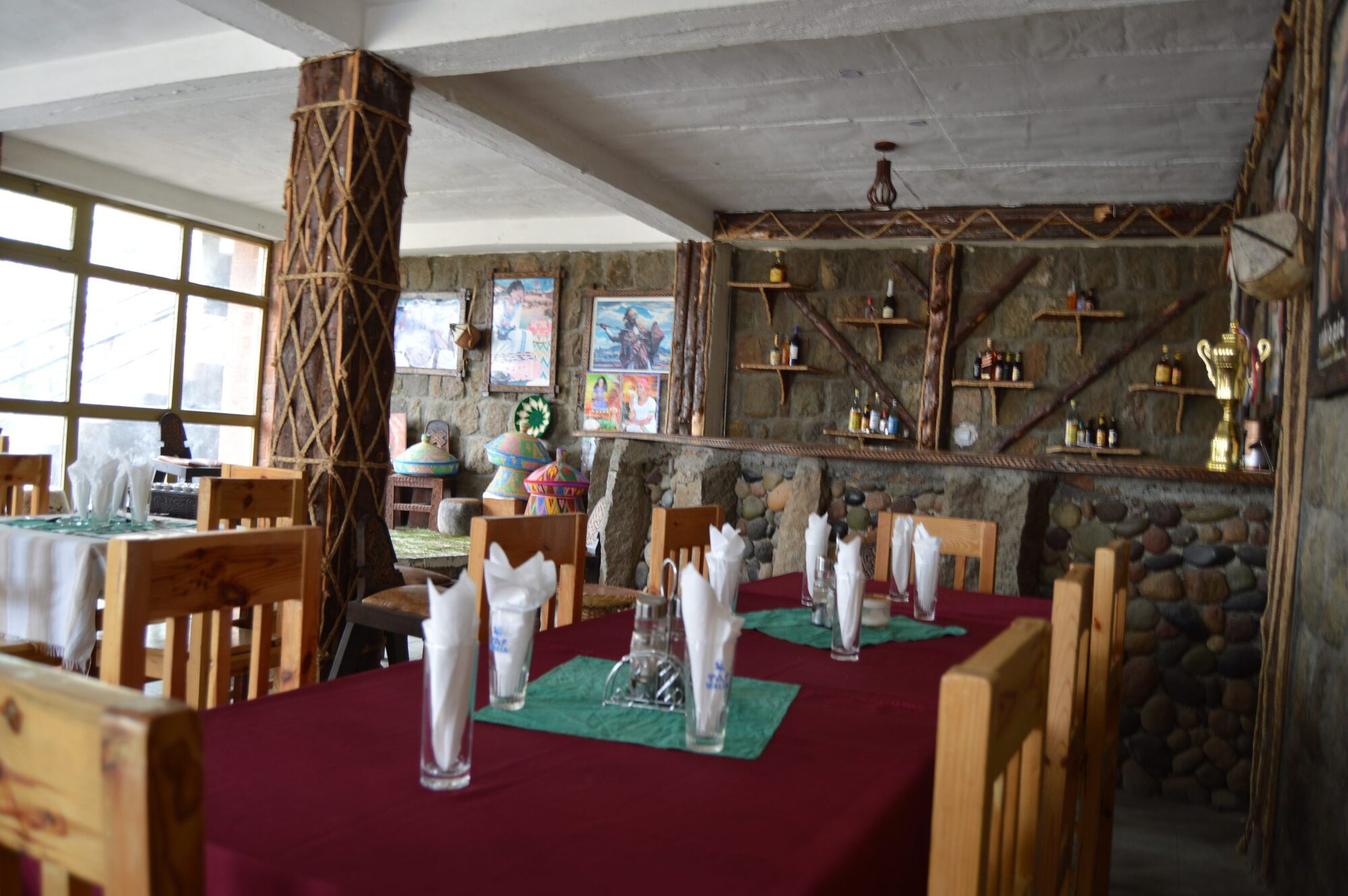
Ethiopian food is incredible and unbelievably cheap. $1–2 for a full meal. $0.30 for coffee at local places. Ethiopia invented coffee, and the ceremony of roasting and brewing it in front of you is an experience in itself. Don't miss injera with spicy stews.

🏨

Accommodation

The town has good infrastructure and services for tourists. Everything is well organized. Hotels range from basic to comfortable. We recommend booking through local contacts — your money goes directly to the community.

📱

Connectivity

Get a local eSIM at the airport in Addis Ababa (not Airalo — 20x more expensive). Mobile internet works well in Lalibela.

Safety — An Honest Assessment

Let's be direct: most embassies currently advise against travel to the Amhara region, where Lalibela is located. The conflict involves local militia (Fano) and Ethiopian army forces.

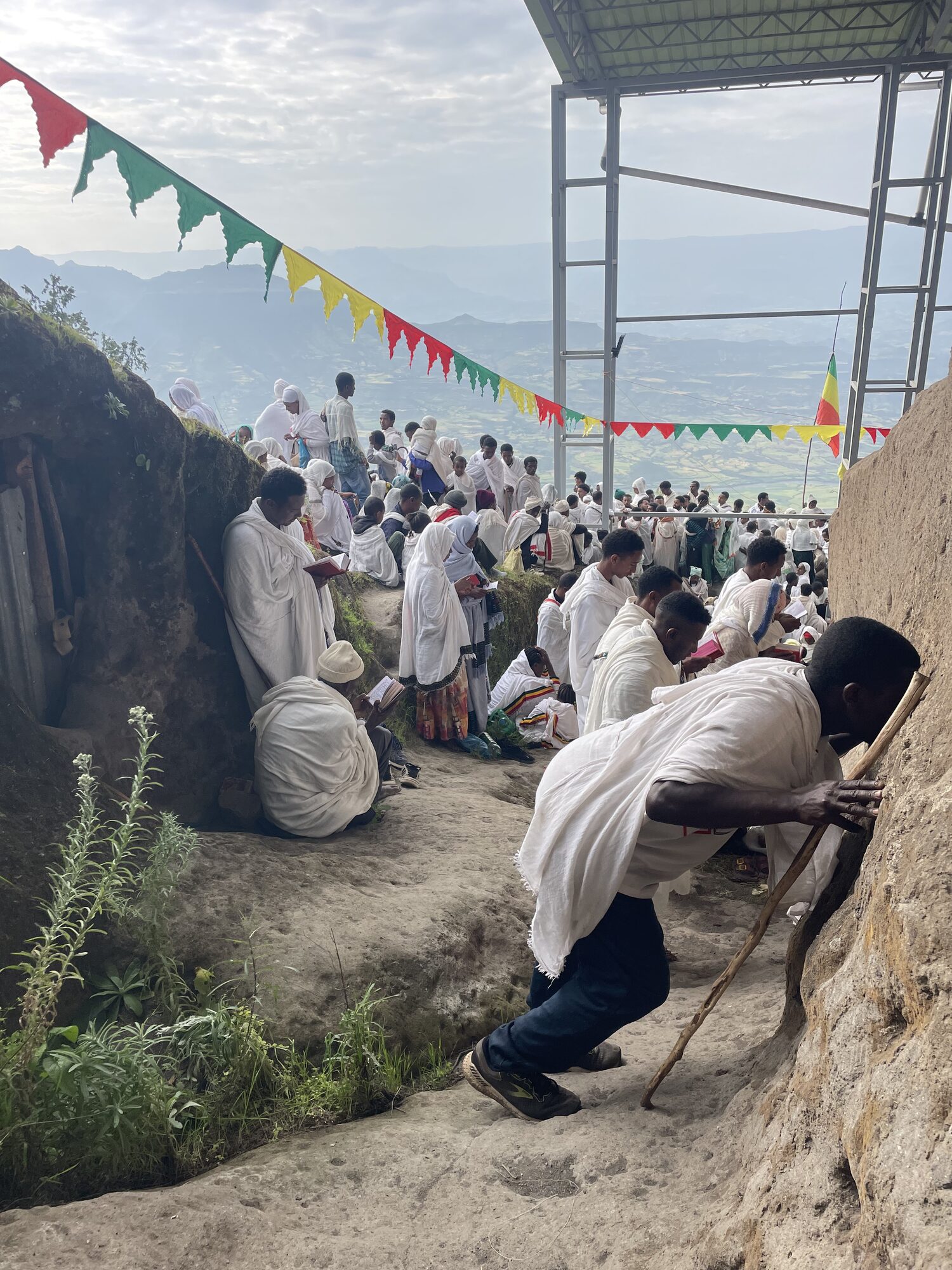
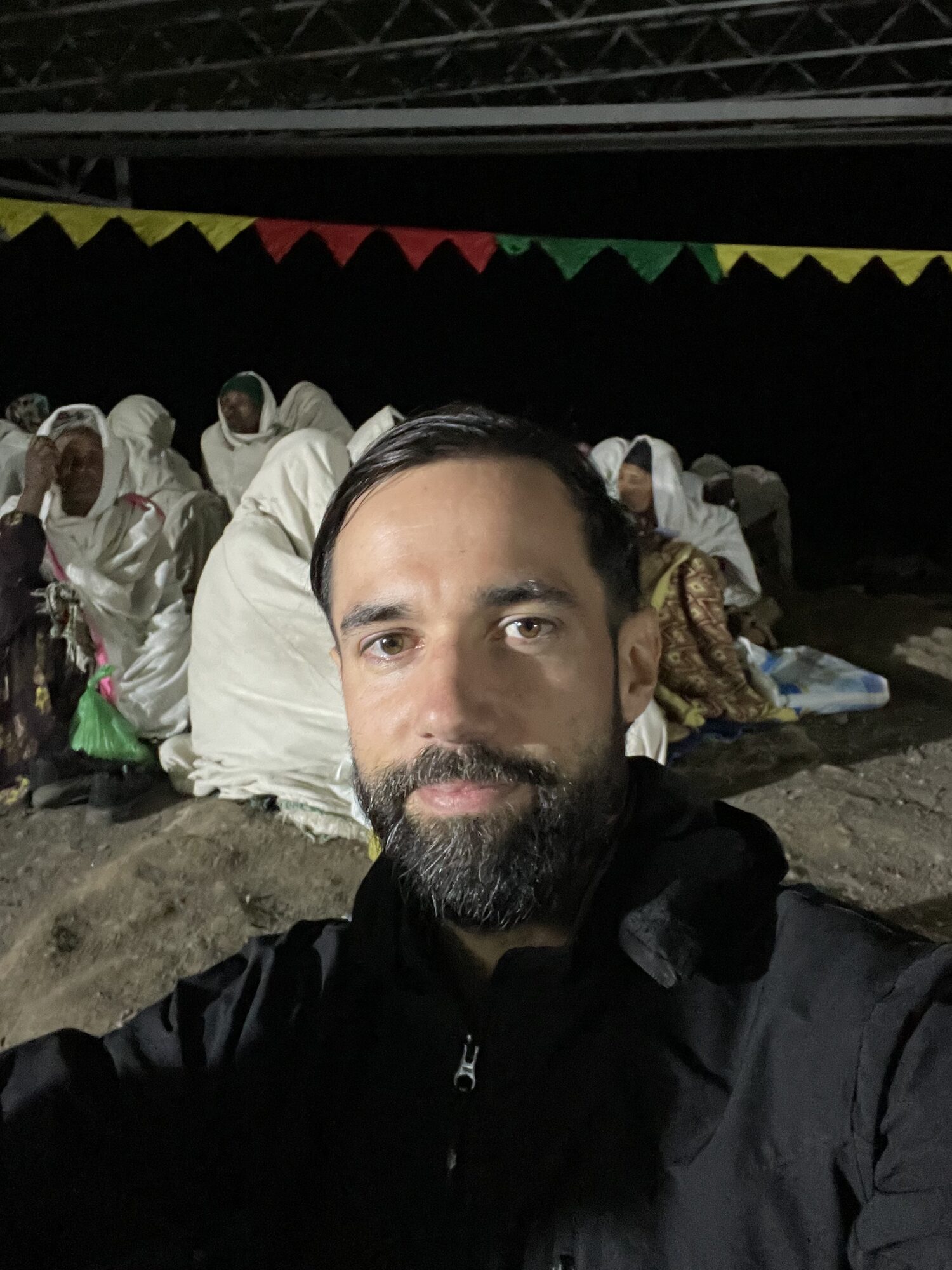
Here's what we know firsthand: Lalibela itself is peaceful. The churches are open. Tourists have not been targeted by either side. Antonin traveled there during the Meskel celebrations and felt zero animosity — only warmth, respect, and welcome.

The people of Lalibela are more respectful than in many European cities. They queue, they follow guidelines, they look out for each other and for visitors.

We won't sugarcoat and we won't fearmonger. Check your embassy's official travel advisory. Read firsthand accounts. And make an informed decision as an adult.

Check your country's travel advisory for the latest guidance.

How to Connect with the Community

Don't give cash to children. Buy them school supplies instead. Kids in Lalibela ask for dictionaries, not money. Give cash to elderly people who are truly struggling with no one to help them.

Invite children for food at local places. Many don't eat every day. It costs almost nothing and means everything to them.

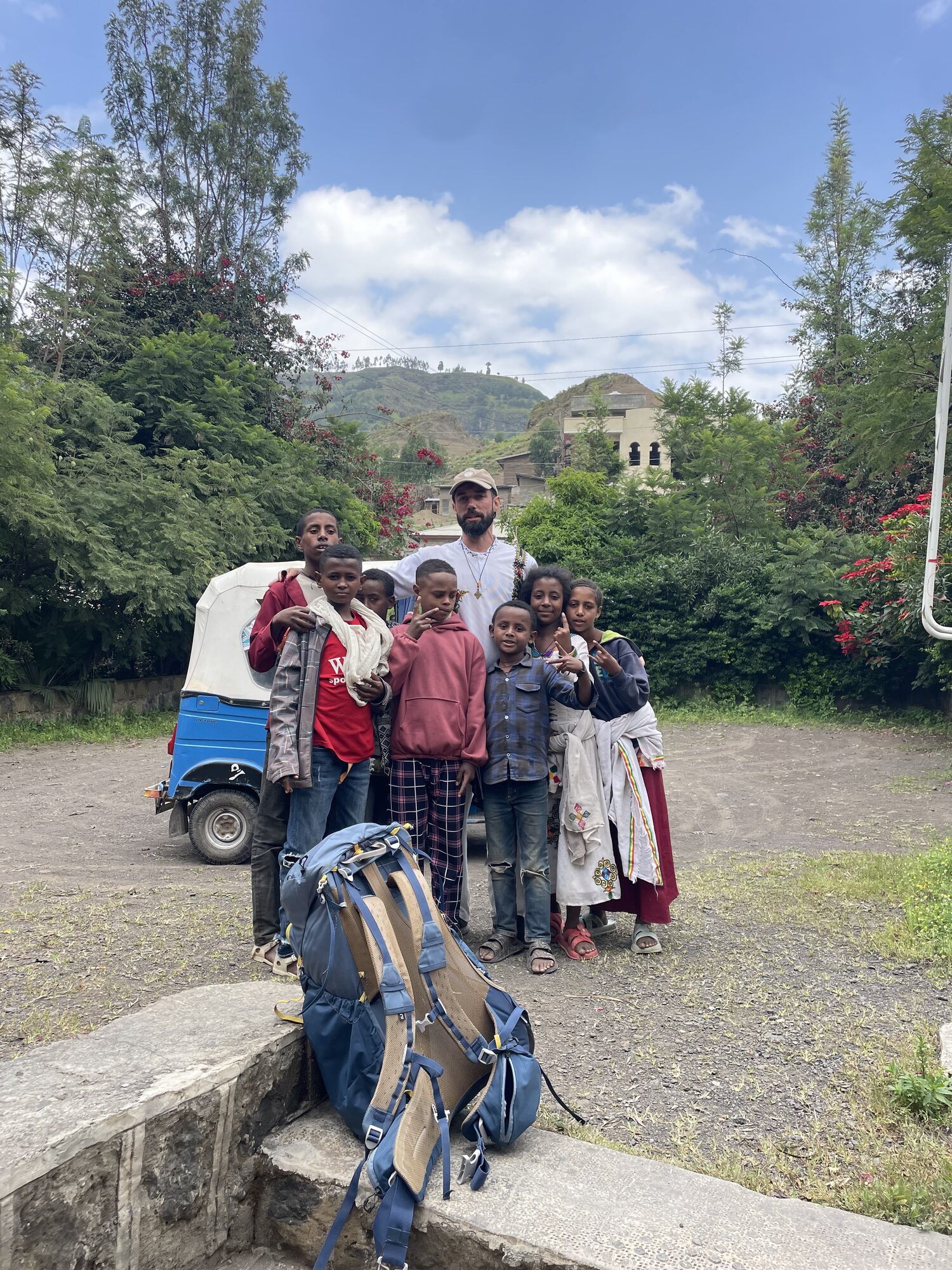
Expect 10 or more children surrounding you, wanting to connect. Don't be scared — they just want to be near you. Many came from the countryside to attend school, living independently. They're incredibly curious and autonomous.

Most tourists come for 1–3 days just to see the churches. But there's so much more: hiking in the mountains, connecting with locals, the food, the rhythm of daily life. Stay longer if you can.

Antonin walking through Lalibela surrounded by local children

Trusted Places to Stay

Hotels we know personally — people Antonin met, connected with, and trusts.

Zan-Seyoum Hotel exterior in the heart of Lalibela

Zan-Seyoum Hotel

Family-run by Yohannes Abebe, Antonin's friend and partner in this project. 9.7/10 on Booking.com. 30 rooms, mountain views, incredible breakfast. 15 min from the churches.

See Full Details

More Coming Soon

We're adding more trusted hotels and guides as we verify them.