Impact & Transparency

Every dollar tracked. Every story shared back to you.

Most people don't hesitate to give because they lack generosity. They hesitate because they lack trust. They've seen too many organizations swallow donations into a black box and produce vague reports. We understand that. We've felt the same way.

Visit Lalibela exists to be the opposite of that. We believe that if you can see exactly where your money goes, meet the people it reaches, and follow the results over time, giving becomes something else entirely. It becomes a relationship.

"This is not charity from above. It's connection between equals."

This page is our commitment to you: radical transparency about what we've done, how funds are managed, and what we're building toward. We'd rather show you honest zeros than fabricated success stories.

Why Lalibela Needs This Now

Before 2020, Lalibela was one of Ethiopia's most visited destinations. More than 50,000 foreign tourists arrived each year. Tourism accounted for 70–80% of the local economy. Five thousand to seven thousand people had stable jobs in the town's 50 hotels. Guides, artisans, restaurant owners, priests — an entire community built its life around sharing these churches with the world.

Then came COVID-19. Then conflict in northern Ethiopia. The TPLF seized Lalibela in August 2021. When they withdrew in December, fighting between government forces and Fano militia in the wider Amhara region continued. Tourism collapsed.

96%

Drop in International Visitors

From 50,000+ per year to fewer than 100 at the lowest point.

45

Hotels Closed

Out of roughly 50 hotels, only a handful remain open. Many were looted and haven't reopened.

83,000

Residents Affected

The entire Lalibela community depends on tourism returning. Families, guides, artisans, school children.

Meanwhile, Ethiopia's national tourism is booming — 1.2 million international visitors generated over $2 billion in revenue in 2025–26. The infrastructure exists. The people are ready. Lalibela just needs the world to come back.

What We've Done So Far

We're honest about where we are. This project started with one person's trip in November 2025. Here's what's happened since.

150

Notebooks & Pens Distributed

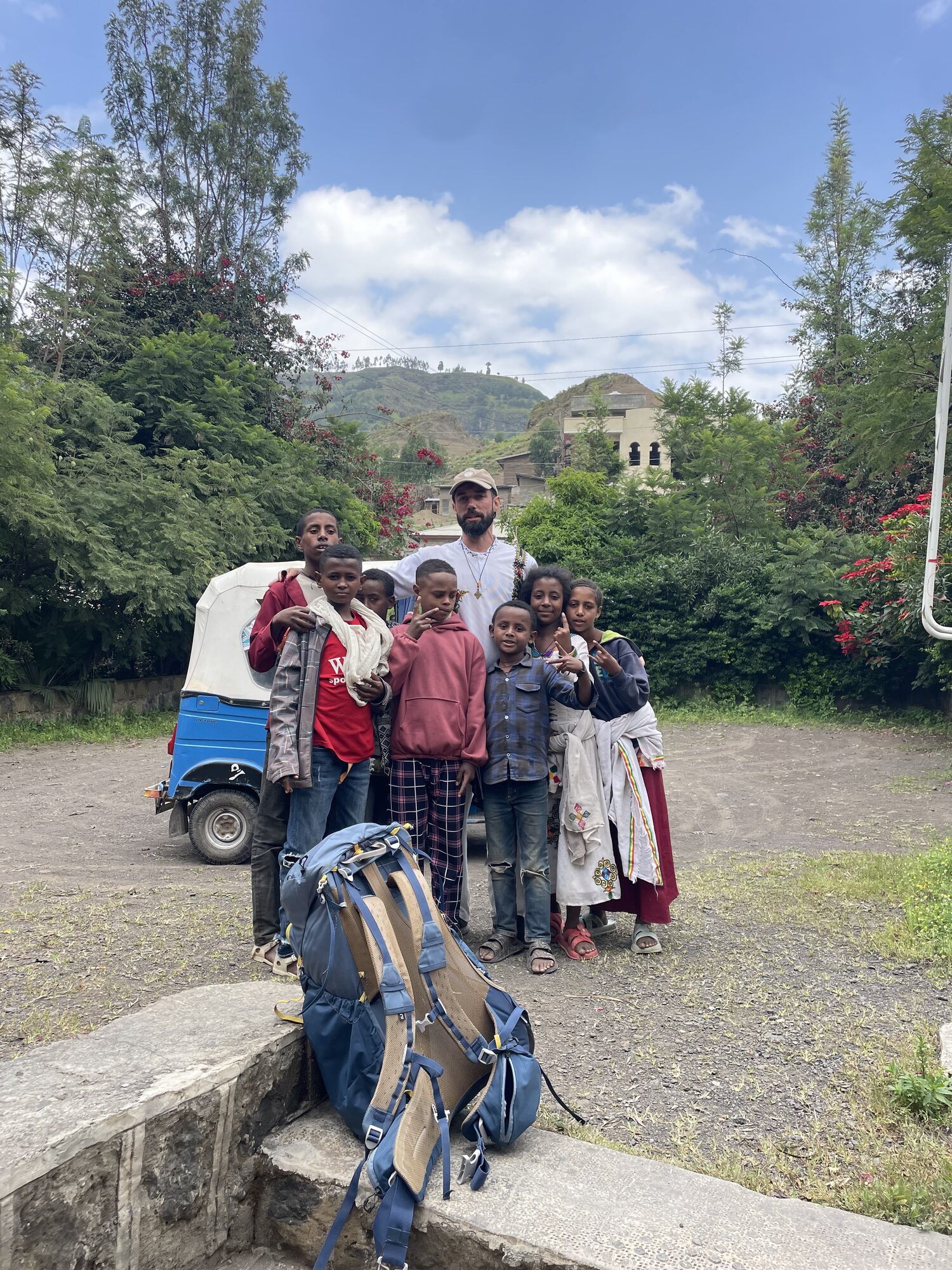
Bought on impulse, delivered to schools in person. The kids didn't ask for money — they asked for school supplies.

1

Website Built

This site — the most comprehensive English-language resource about visiting Lalibela. Bringing visibility to a town the world has forgotten.

0

Dollars Mismanaged

Because we haven't collected formal donations yet. When we do, every cent will be tracked and reported here.

We'd rather show you an honest "launching soon" than invent numbers. The programs described on our Support page — guide sponsorships, child sponsorships, school supply drives, community projects — are being structured now. When they launch, this page will be updated with real data: names, photos, amounts, outcomes.

How Funds Will Be Managed

We're evaluating the best legal structure for this project. Here's what we're considering and why it matters to you:

Option 1: Fiscal Sponsorship (Most Likely First Step)

A fiscal sponsor is an existing registered nonprofit that "hosts" our project. This gives you tax-deductible donations from day one without waiting 6–12 months for independent nonprofit registration. The sponsor handles compliance, accounting, and reporting. They typically charge 5–10% of funds raised as an administrative fee.

Organizations like GlobalGiving and Open Collective offer this model. We're evaluating which partner best aligns with our mission and geographic focus.

Option 2: Independent Nonprofit

If the project grows beyond approximately $50,000 per year in donations, we'll transition to an independent registered nonprofit. This means full control over strategy and funds, the ability to apply for grants directly, and greater credibility with institutional donors. It also means a board of directors, annual filings, and real governance — which is exactly the kind of accountability this project should have.

Option 3: Social Enterprise Arm

For earned revenue — tourism booking commissions, guide training programs, artisan marketplace sales — a social enterprise structure makes sense alongside the nonprofit. Revenue from travelers directly funds community programs without depending solely on donations.

Our commitment: Whatever structure we choose, we will publish the decision and reasoning on this page. You'll know exactly what percentage goes to the community, what covers operations, and why.
Our Transparency Model

We've studied what the best organizations in the world do — charity:water's 100% model, GiveDirectly's direct cash transfers, Kiva's named borrower profiles. We can't replicate their scale, but we can adopt their principles. Here's what we commit to:

👤

Named Beneficiaries

When you sponsor a guide or a child, you'll know their name, see their photo, and hear their voice. With their consent, always.

📊

Percentage Breakdown

We'll publish exactly what percentage goes to the community and what covers operations. Our target: 90% or more reaches Lalibela directly.

📸

Quarterly Updates

Every three months: photos, video messages from Lalibela, financial summary, and progress on each active program. Published on this site.

📍

Located & Verified

Community projects will be GPS-tagged. You'll see exactly where the school was renovated, where the supplies were delivered.

📑

Annual Financial Report

A clear, one-page summary of all funds received and spent. No accounting jargon. Published here and shared with every donor.

Third-Party Validation

Fiscal sponsorship provides external oversight. As we grow, we'll pursue independent audit and charity rating certifications.

The Team on the Ground

This project isn't run from a distance. The people below live in Lalibela. They know the community, the needs, and the priorities. They co-direct where funds go.

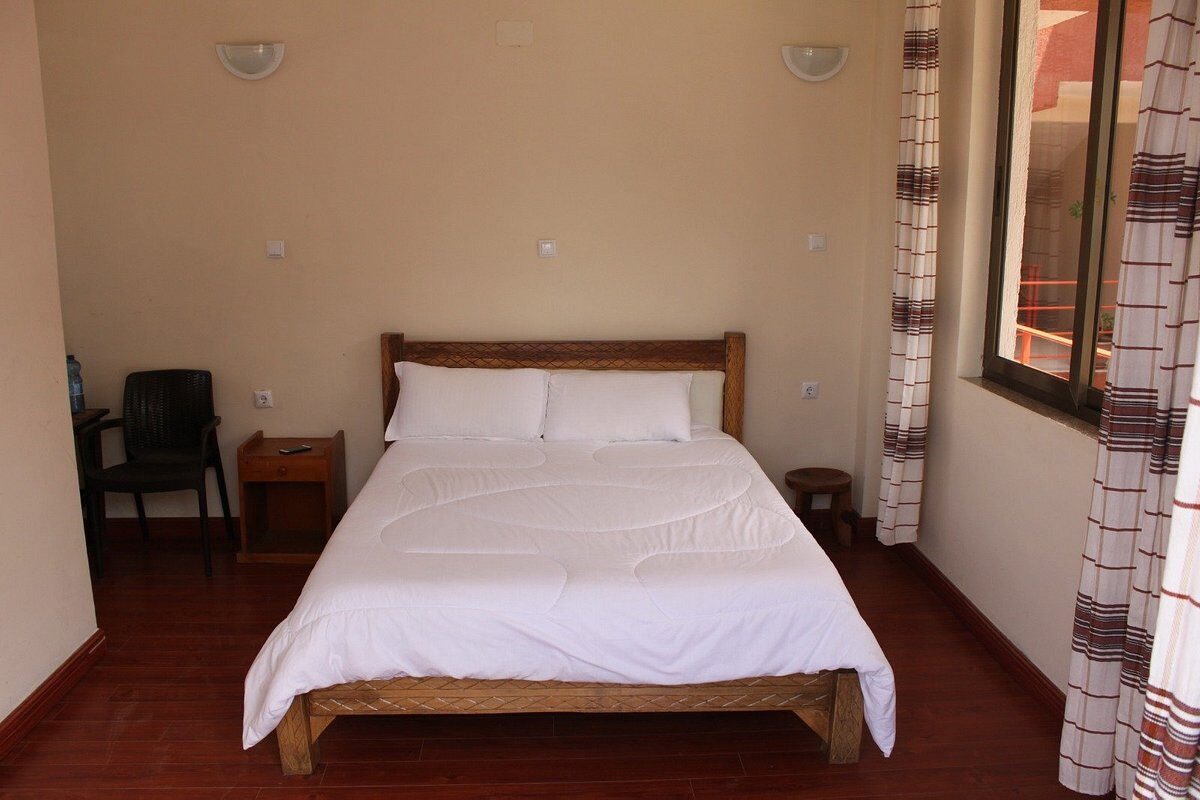
Zan-Seyoum Hotel exterior in Lalibela

Yohannes

Hotel manager at Zan-Seyoum and Antonin's first connection in Lalibela. He introduced us to the school directors, the guides, and the families. He knows who needs help and how to deliver it effectively. Community connector and project co-director.

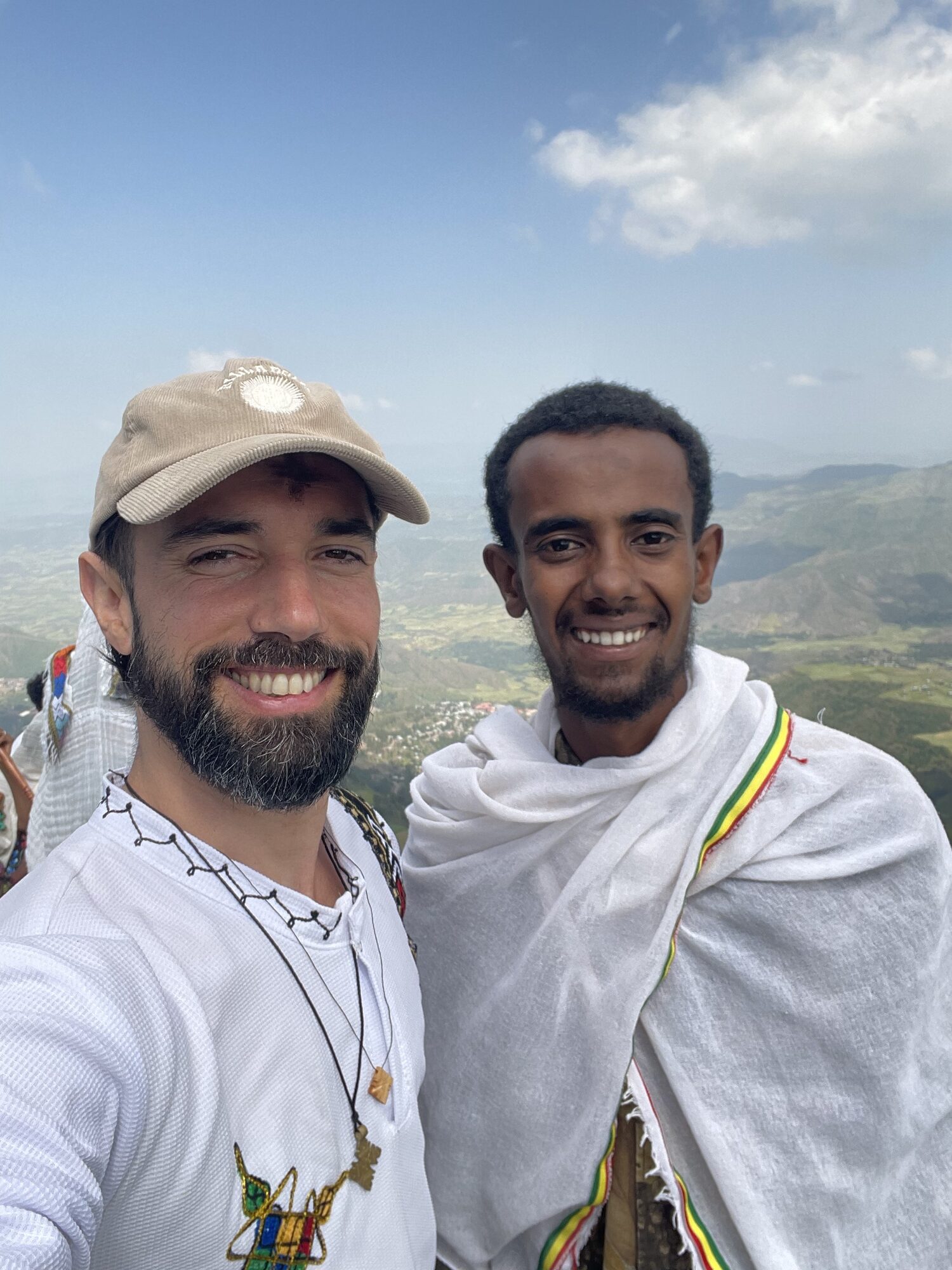
Local guide on a mountaintop overlooking the Lalibela highlands

Local Guides

Lalibela's licensed guides spent years learning the churches' history, the liturgy, and the hidden passages. When tourism collapsed, they lost their livelihoods. They're the first people we want to support — and the most qualified to advise us on community needs.

Antonin with children in Lalibela town

School Directors

The school directors who welcomed Antonin when he arrived with 150 notebooks. They know which children need supplies, who isn't eating every day, and where a small investment makes the biggest difference. Partners, not recipients.

What Others Are Doing in Lalibela

We're not alone in caring about Lalibela. Understanding the broader ecosystem helps you see where Visit Lalibela fits.

The French Development Agency (AFD) is investing over €8.3 million in preserving Lalibela's rock-hewn churches — restoring stonework, building protective canopies, training local conservation specialists, and creating a digital exhibition center. Eighty students have been trained in heritage management. This work is vital. The churches must be preserved.

The Lalibela Trust (UK), The Lalibela Fund (USA), and Stichting Lalibela (Netherlands) each focus on different aspects — education, elderly support, and services for the blind. They've been working in Lalibela for years.

Where Visit Lalibela fits: The AFD preserves the churches. The existing NGOs serve specific populations. We focus on something different — direct support for the community's economic recovery through tourism. Sponsoring the guides who lost their income. Equipping the children who need school supplies. Funding small community projects proposed by the people themselves. And above all, making Lalibela visible again so that visitors return.

"The churches are being preserved by international experts. We're here to make sure the people of Lalibela thrive alongside them."

What We've Learned from the Best

We've studied organizations that have earned trust at scale. We're borrowing what works:

From charity:water: The principle that 100% of public donations should reach the field. We can't perfectly separate operating costs the way they do (they have a dedicated group of investors covering overhead), but we can be radically honest about what percentage reaches Lalibela and what covers operations.

From GiveDirectly: The conviction that people know their own needs best. We don't decide what Lalibela needs from 6,000 kilometers away. The community proposes projects. Yohannes, the guides, and the school directors set priorities. Our role is to fund and report.

From Kiva: The power of a named face and a story. When you sponsor a guide through Visit Lalibela, you won't get a generic thank-you email. You'll get a voice note from someone who knows your name.

From community-based tourism projects across Africa: TESFA in the Ethiopian highlands, the Maasai Mara community lodges in Kenya, Rwanda's gorilla tourism revenue sharing — the projects that work are the ones where the community owns the process. Not just benefits from it. Owns it.

Follow the Journey

As programs launch and funds flow, this page will become a living report. Quarterly updates, financial summaries, photos, and stories — all published here and on our Updates page.

We'd rather earn your trust slowly with honesty than quickly with promises we can't keep.