Discover
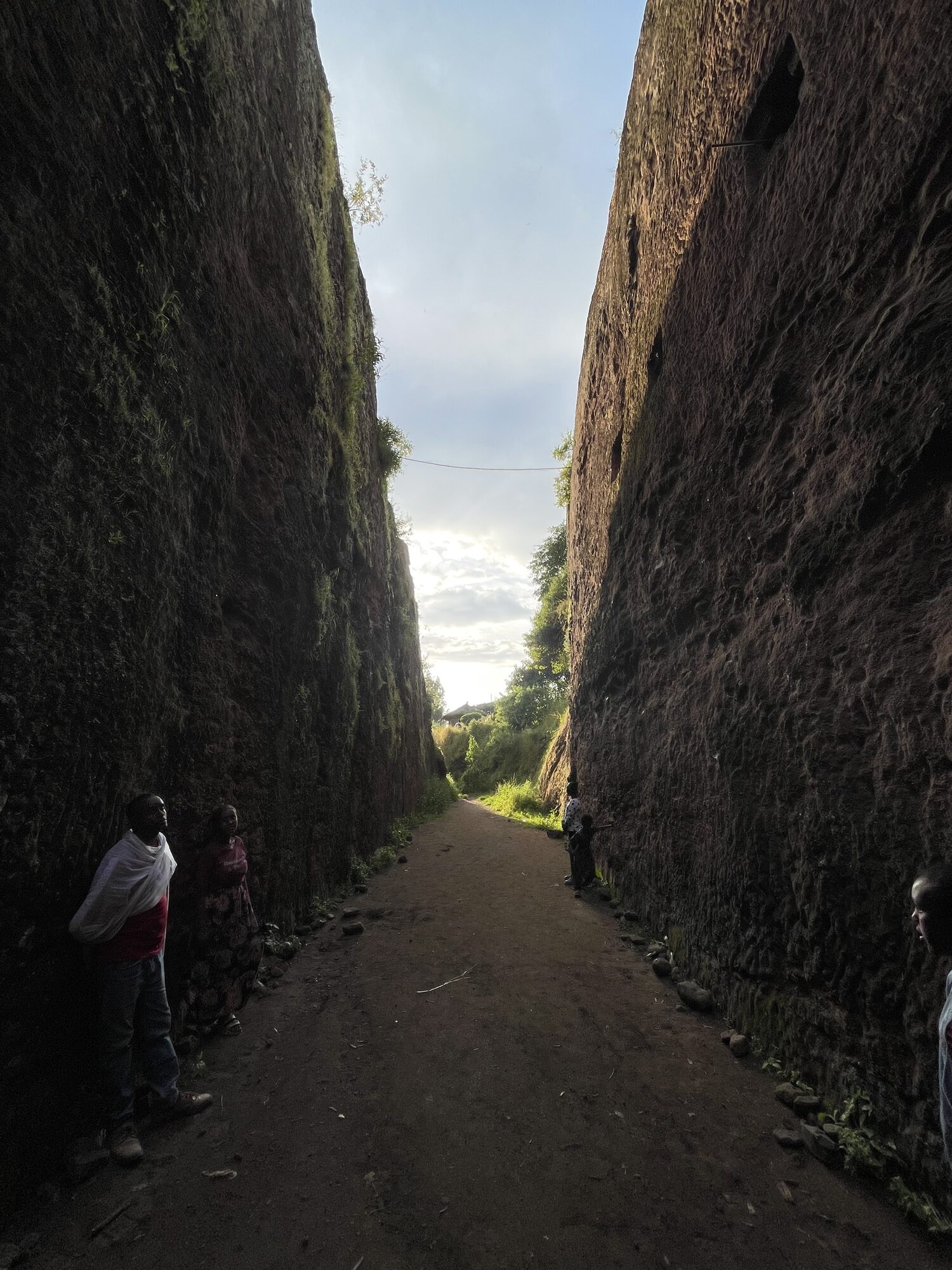
Explore 800 years of living heritage — the rock-hewn churches, the people, the ceremonies, and a culture that celebrates life every day.
Explore 800 years of living heritage — the rock-hewn churches, the people, the ceremonies, and a culture that celebrates life every day.
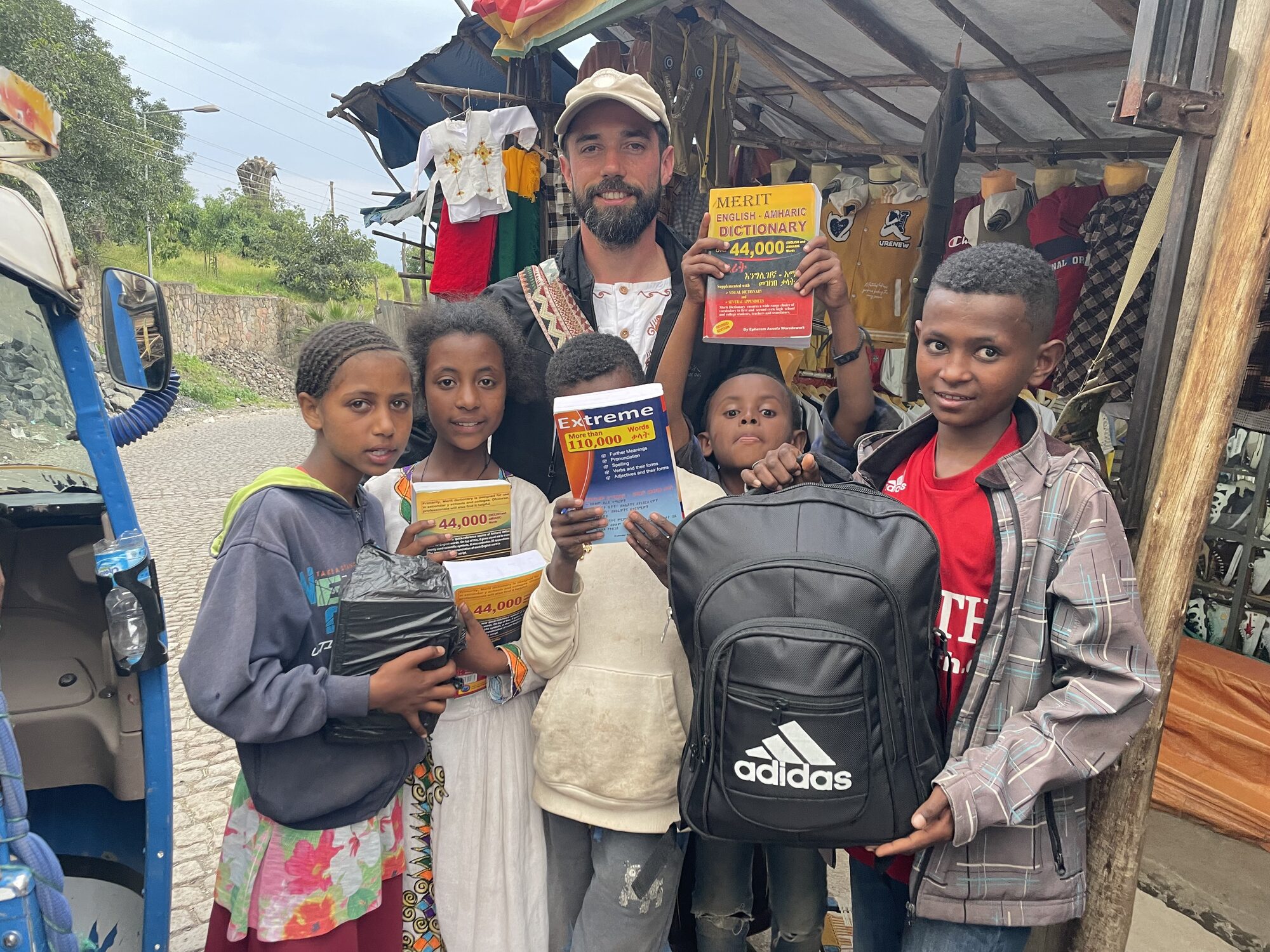
Channel real help to real people. Sponsor a guide, fund school supplies, or support a community project — every dollar tracked, every story shared.
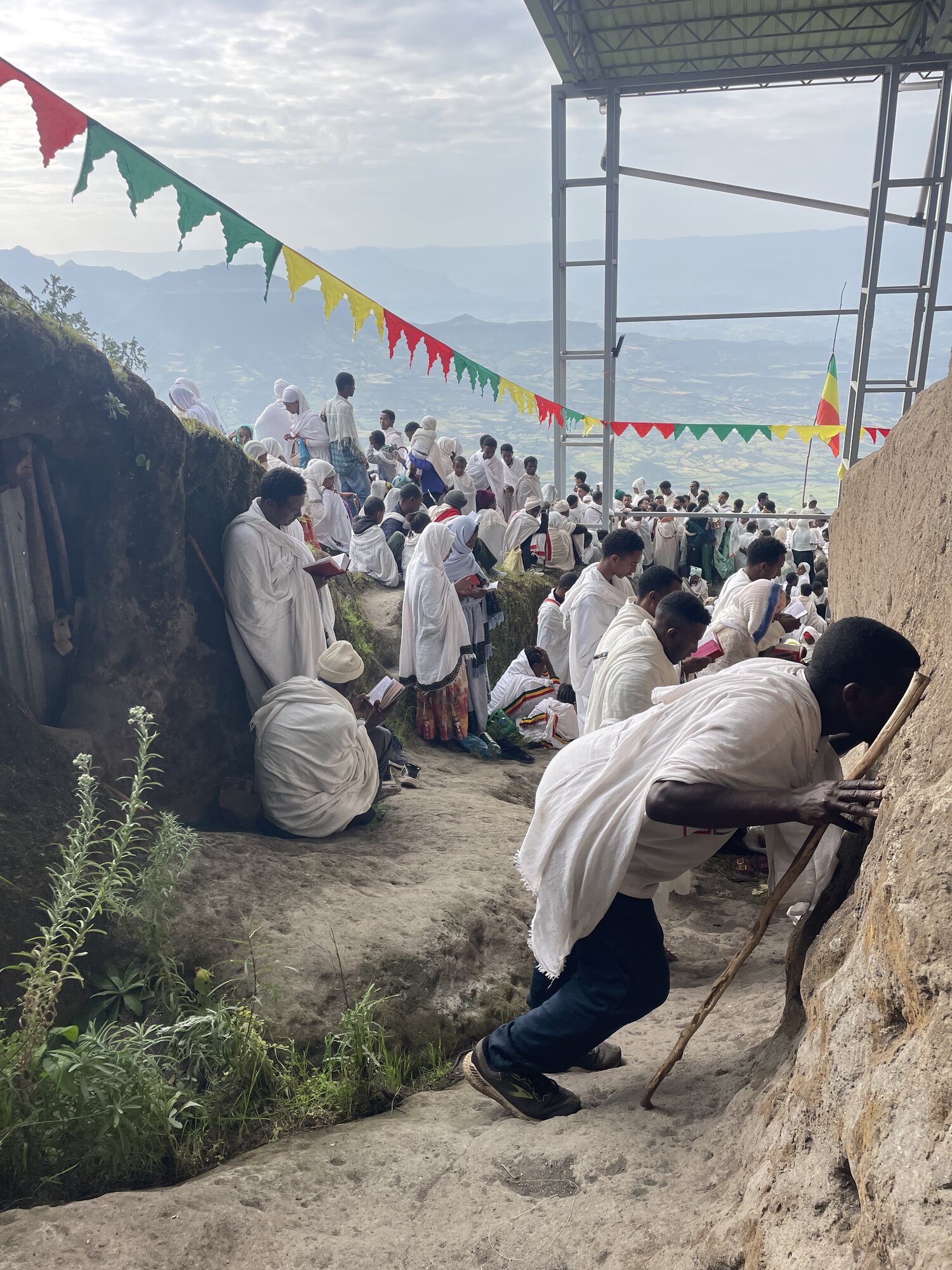
Plan your journey to one of humanity's most sacred places. Practical tips, honest safety info, and connections to local guides who'll show you the real Lalibela.
Eleven churches carved from living rock. Still breathing with prayer after 800 years. UNESCO recognized them in 1978. The Ethiopian Orthodox community still worships in them daily.
But Lalibela is more than its churches. It's a town of guides who know every hidden tunnel and chapel. Of kids who ask for dictionaries, not money. Of priests who chant in Ge'ez, one of the world's oldest liturgical languages. Of a community that follows Christianity as a celebration of life.
Tourism was 70–80% of Lalibela's economy. The conflict in the Amhara region gutted it. Hotels went from employing thousands to a fraction. Guides lost their livelihoods. But Lalibela itself remains peaceful, its churches open, its people welcoming. They're waiting for the world to remember them.
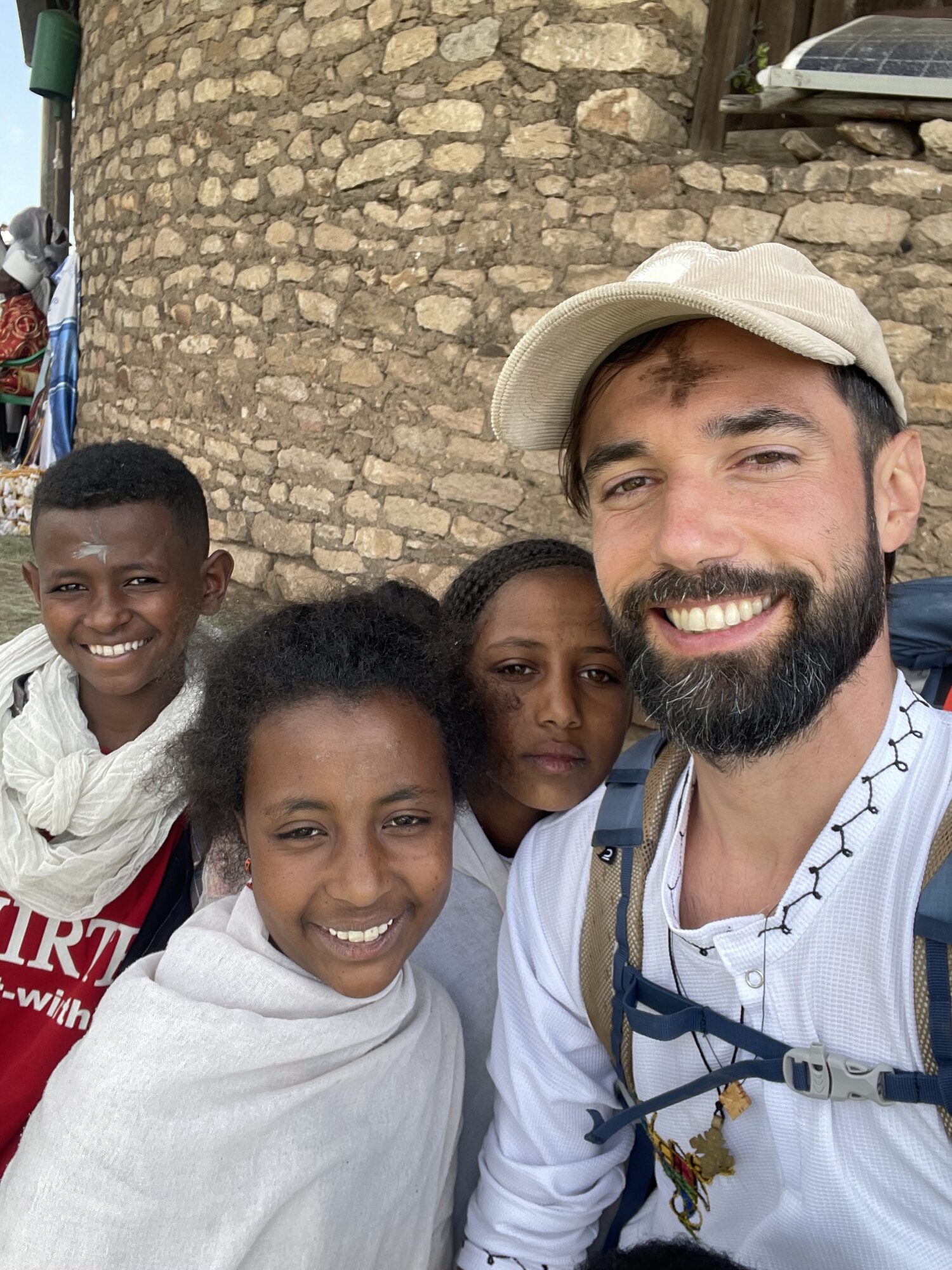
They don't ask for money. They ask for notebooks and dictionaries. Meet the children who came from the countryside to attend school — curious, autonomous, and full of heart.
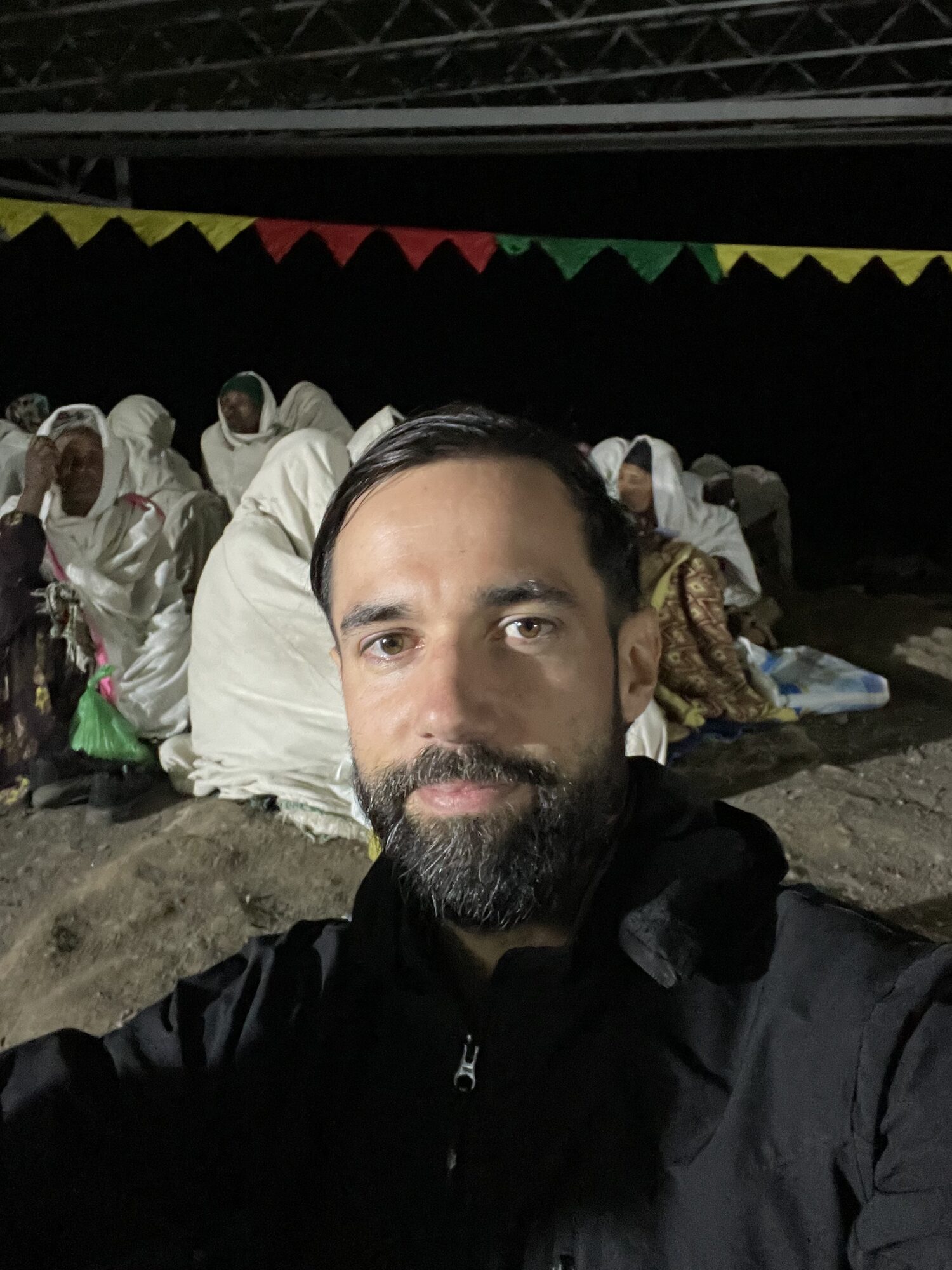
Antonin slept among pilgrims during the Meskel celebrations. What he found wasn't tourism — it was communion.
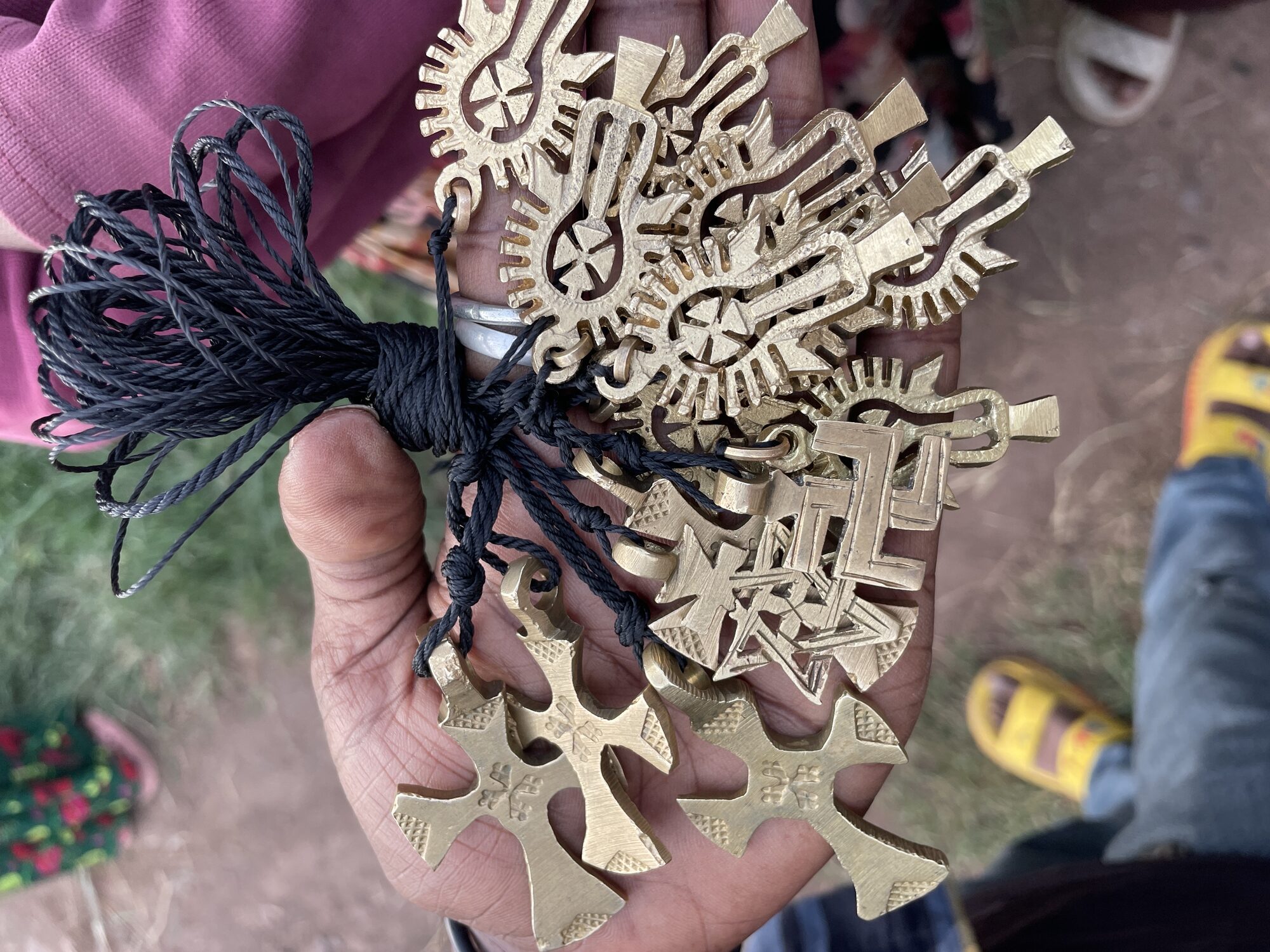
Handmade Ethiopian crosses, each one unique, each one a prayer in metal. The artisans of Lalibela keep a tradition alive that stretches back centuries.